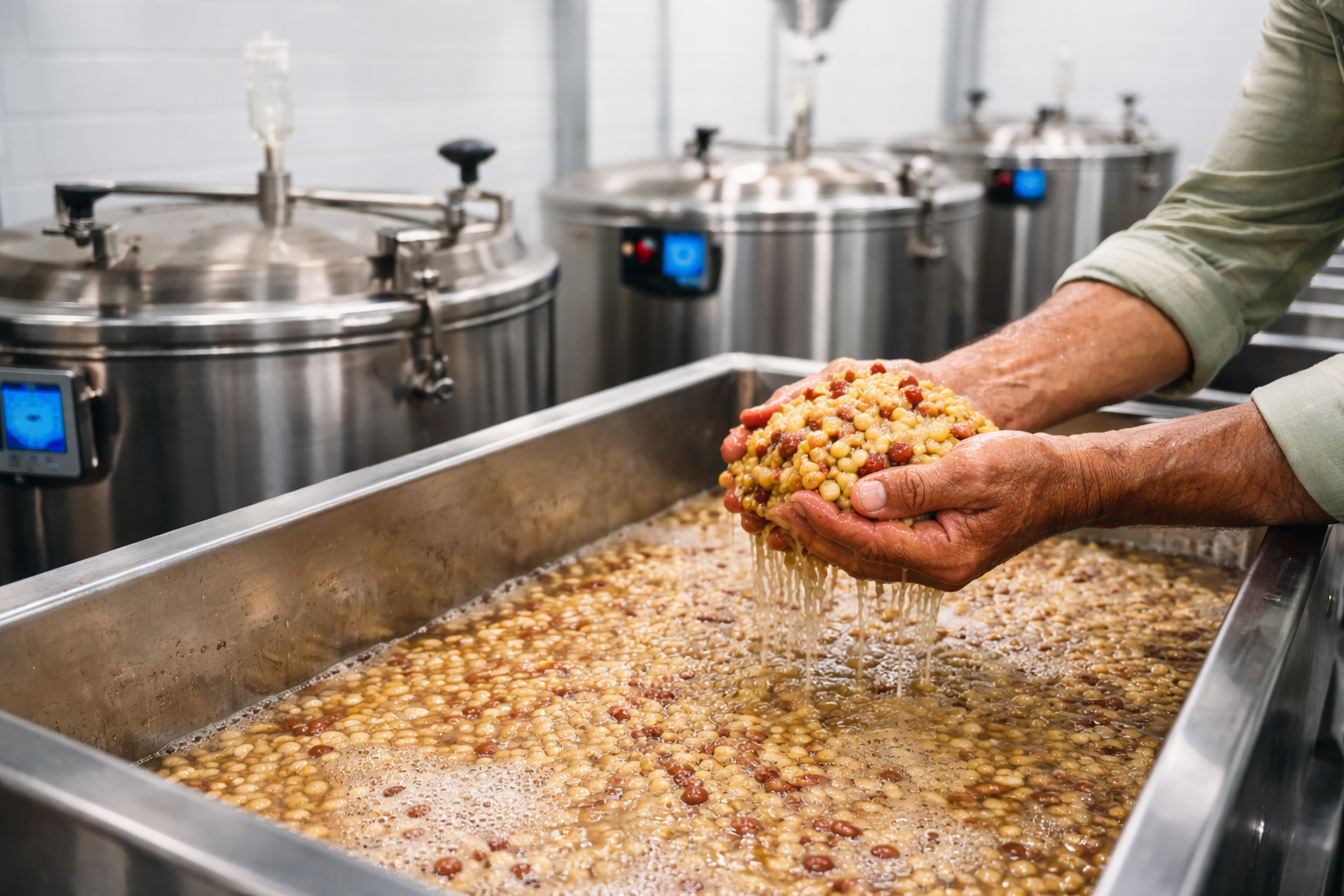
Let’s talk about coffee fermentation for a minute. It’s not some trendy buzzword—it’s literally been part of the game since day one. Way before anyone was geeking out over roast profiles or perfect brew ratios, fermentation was already down in the trenches, shaping the sweetness, the brightness, the whole feel of the coffee. For ages, farmers just treated it like another chore: dump the cherries in a tank, let time and the local bugs do their thing, and cross your fingers the weather didn’t screw it up.
But these days? Producers are getting way more intentional about it. And honestly, it’s not about chasing wild new flavors just to stand out. The good ones are using it to make the coffee taste more like itself—cleaner, clearer, truer to where it came from. You can taste that intention in thoughtfully developed offerings like the Alpen Sierra Coffee Reserve Collection, where process and origin work hand in hand.
How Fermentation Actually Shapes Your Cup
Picture this: you pick the ripe coffee cherries, and there’s this sticky, sugary layer (the mucilage) wrapped around the bean. You’ve got to break that down to get to the bean inside. That’s fermentation—wild yeasts and bacteria chowing down on those sugars and, while they’re at it, tweaking the chemistry of the bean in ways that really matter.
What happens in that tank ends up deciding a lot about what you taste in your mug: how juicy or sweet it is, how silky it feels, the layers of aroma and nuance of flavor. The traditional way—open tanks, whatever microbes are hanging around, guided by generations of know-how—still turns out absolute bangers. Some of my all-time favorite coffees came from farms that haven’t changed their process in fifty years.
Now, though, a bunch of producers are taking more control. They’re watching the temperature like hawks, playing with oxygen levels, timing everything down to the hour, sometimes even picking specific microbes. It’s the same foundation, just with a lot more precision. You’ll often see these methods highlighted in microlots and limited releases like those featured in the Reserve Collection.
Why Producers Are Getting More Hands-On
Specialty coffee finally woke up to the fact that flavor starts on the farm, not in some fancy roastery downtown. People started asking: what if we could steer this process without flattening what makes each coffee unique? The goal wasn’t to make everything taste the same—it was to help each one shine brighter.
These newer methods give farms more consistency from season to season, while still letting the quirks of each harvest come through. Plus, it means farmers can add more value right there at home instead of shipping beans off and hoping someone else makes them taste great. That added value often shows up in higher-tier, small-batch offerings like Alpen Sierra’s Reserve coffees.
The Big Techniques Everyone’s Talking About
Anaerobic Fermentation: Intensity Through Restraint
Anaerobic—no oxygen allowed. They seal everything in tanks, and without air, the microbes take a different route. Things slow down, certain flavors get amplified. You often end up with deeper sweetness, more structured acidity, tasting like tropical fruit, berries, maybe even a hint of red wine. When it’s done well, it doesn’t feel forced—it just feels vivid and focused.
Lactic Fermentation: Creaminess and Roundness
Lactic fermentation nudges things toward the bacteria that make lactic acid (think yogurt or sourdough). These coffees tend to be softer, rounder, almost creamy. The acidity is gentler, the body feels plush, and you get flavors like stone fruit, caramel, warm citrus peel. It’s a great choice when someone wants elegance instead of in-your-face intensity.
Yeast-Inoculated Fermentation: Predictability Without Blandness
Adding selected yeast strains is straight out of the winemaker’s playbook. It gives you way more predictability, especially when the climate’s throwing curveballs. It cuts down on defects, keeps quality steady, but still lets the origin speak. It’s not about stamping a “house flavor” on everything—it’s about giving the bean a reliable stage.
Keeping Innovation in Check
Here’s the thing, though: all these tricks can create some seriously head-turning cups, and that’s fun. But the real win is deeper than that. They help farmers deal with unpredictable weather, lock in better quality, and get paid better for their work.
The trick is knowing when to stop. Push fermentation too hard and you can bury the stuff that actually makes the coffee special—its variety, its soil, its altitude. The coffees that stick with me the most, even the experimental ones, still taste unmistakably like where they came from. The processing just helps you hear that place a little louder. That philosophy is exactly what makes carefully curated selections—like those in the Alpen Sierra Coffee Reserve Collection—so compelling.
What It All Means for the Coffee You’re Drinking
At the end of the day, when you’re sipping a coffee that went through thoughtful fermentation, you’re tasting choices someone made months ago on a farm halfway around the world. It’s a cool reminder that great flavor isn’t some last-minute magic in your brewer—it’s built, layer by layer, from the ground up.
Fermentation’s always going to be part of coffee. But right now, the best producers are using it not to shout louder, but to speak more clearly—and that’s making some truly exciting cups. If you’re curious to taste how these advanced techniques translate in the cup, explore the current offerings in the Reserve Collection and experience the difference for yourself.